
COLLECTOR SKILLS · 5 MIN READ
Photograph Coins With Your Phone So Buyers Can Read Them
Build a clear set of identity, surface, and holder photographs without polishing the coin or editing away the evidence.
In this guide 5 sections + questions & sources
Prepare the camera and workspace, not the coin’s surfaces
Clean the phone’s camera lens and clear a stable workspace. Keep food, drinks, loose tools, and distracting objects away. Use a plain background and support the phone so you can repeat the framing. Take a test photograph and enlarge it before committing to a full set; a sharp thumbnail can conceal a soft date.
Do not polish or wipe the coin to improve the picture. The U.S. Mint warns that cleaning can reduce value and recommends careful edge handling over a soft surface. Photograph a certified coin in its holder. Adjust your setup around glare instead of opening a sealed slab or removing protective packaging merely for a prettier image.
Give each side a readable identity photograph
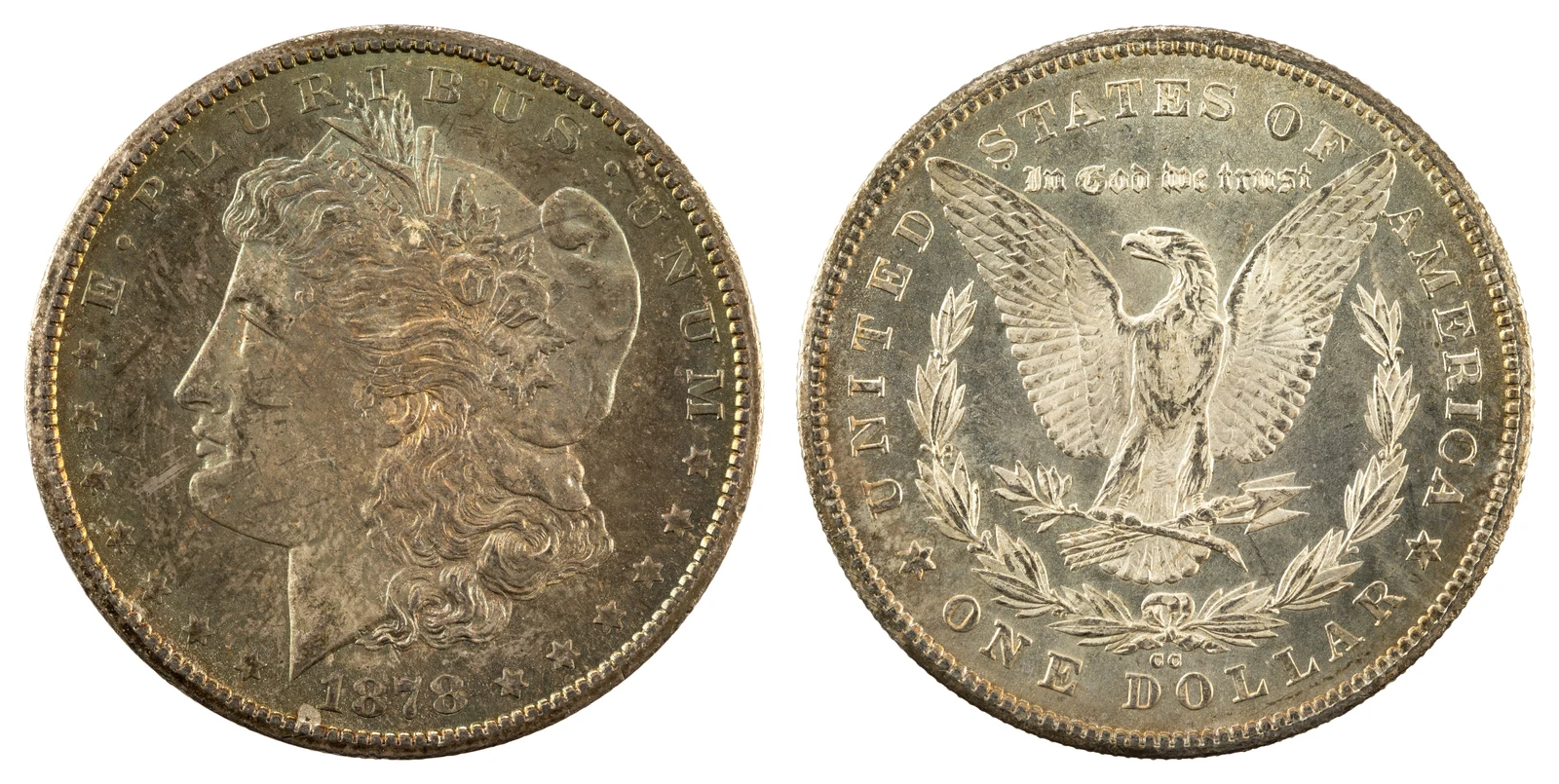
The obverse is the front and the reverse is the back. Photograph both straight on, with the complete rim visible and enough surrounding space to avoid accidental cropping. Keep the phone as parallel to the coin as practical. Tap to focus on the coin, and check whether letters near the edge remain readable as well as the portrait.
Add a closer view when the date or mintmark is too small to assess in the full-side image. Consult the correct series guide for the mintmark location; it is not always beside the date. A detail photograph should supplement the full coin, so a buyer can understand where the feature belongs. Do not label a variety merely because enlargement reveals something unusual.
Move the light until the surface makes sense
Start with broad, diffused light and avoid a harsh reflection directly over the important detail. Change the lamp or phone position slightly, taking a fresh image after each adjustment. PCGS’s slab-photography guidance discusses diffused lighting, white balance, and controlling glare. Its lesson for a simple phone setup is useful: the light and holder need to be considered together.
Keep the straight-on identity views, then add modestly angled lighting that makes marks, relief, or reflective areas easier to examine. If a bright patch conceals the cheek, lettering, or field, another angle is needed. A dramatic color photograph can be an additional view, but buyers should also see the coin under less dramatic illumination. One flattering angle should not carry the entire description.
Build a six-frame set, then add what the coin needs
For a fictional listing of a slabbed silver dollar, use the following six-frame plan. It is a practical starting point, not a platform requirement or an authentication protocol. Take extra photographs when packaging, edge details, damage, or a claimed attribution needs its own explanation.
After uploading, inspect the actual listing on a phone. Check image order, zoom, cropping, and label readability. eBay recommends clear, high-resolution photographs and allows multiple images; the quality of the uploaded result matters more than how good the original looked in your camera roll.
- Full obverse: complete rim and readable date.
- Full reverse: complete rim, denomination, and visible mintmark location.
- Identity close-up: date and mintmark, using separate frames if needed.
- Surface view: adjusted lighting on a relevant area, including visible marks.
- Whole holder front: the coin, complete label, and holder boundaries.
- Whole holder back: the reverse, back label or hologram, and visible holder condition.
Edit for legibility and explain the result
Cropping empty space, rotating a frame, or correcting an obvious color cast can improve readability. Keep the originals. Do not erase scratches, reconstruct letters, intensify toning, smooth fields, or use generated details to fill a blurred area. If a background tool touches the rim or holder, correct the problem or use the original photograph.
Explain meaningful changes in the description: for example, ‘Images cropped and white balance adjusted; no coin details removed or added.’ Use that wording only when true. eBay permits editing tools but requires truthful, accurate listing content. Buyers should request another photograph when a key detail remains unclear; a readable number, attractive image, or matching photograph alone cannot establish that the item is genuine.
COLLECTOR FAQ
Questions worth asking
Do I need a special macro lens?+
Not necessarily. First test your phone’s available close-focus setting with steady support and good light. If the date remains unreadable, change distance or equipment rather than relying on heavy digital enlargement.
Should I show scratches on the slab?+
Yes. Show holder condition clearly and distinguish marks on the plastic from suspected marks on the coin. Additional lighting angles may help, but photographs cannot always settle the distinction.
Can a clear photograph prove the grade or authenticity?+
No. It can reveal details and help identify questions. Authentication, surface assessment, and grading may require examination beyond what photographs can show.
NumisTrends provides educational information, not financial, legal, tax, grading, or appraisal advice. Verify the exact item and current market before a transaction.