

Collector practice · 6 MIN READ
Shipping Coins: Protect the Pieces and Document the Handoff
Plan the package, the evidence, and the receiving process together—without confusing postage, tracking, and insurance coverage.
In this guide 5 sections + questions & sources
Choose a service for the actual contents
Start with the destination and purpose: a sale, return, gift, or grading submission. Ask the recipient for the correct address and any packing or authorization requirements through a trusted channel. A familiar business may use different addresses for different services. Copying an address from an old receipt can create an avoidable problem.
Check the selected carrier's rules for the exact item category, route, value, and service. Coins used as money, numismatic coins, and other valuable contents can receive different treatment. USPS's domestic manual expressly distinguishes numismatic coins in its currency-insurance provisions. Do not turn a general statement that coins are mailable into a coverage promise.
This article offers a documentation workflow, not an insurance recommendation. Confirm exclusions, packaging requirements, limits, evidence requirements, and claim deadlines before purchase. If the shipment is international, also verify destination restrictions and required declarations. Domestic guidance cannot simply be carried over to an international parcel.
Build protection from the coin outward
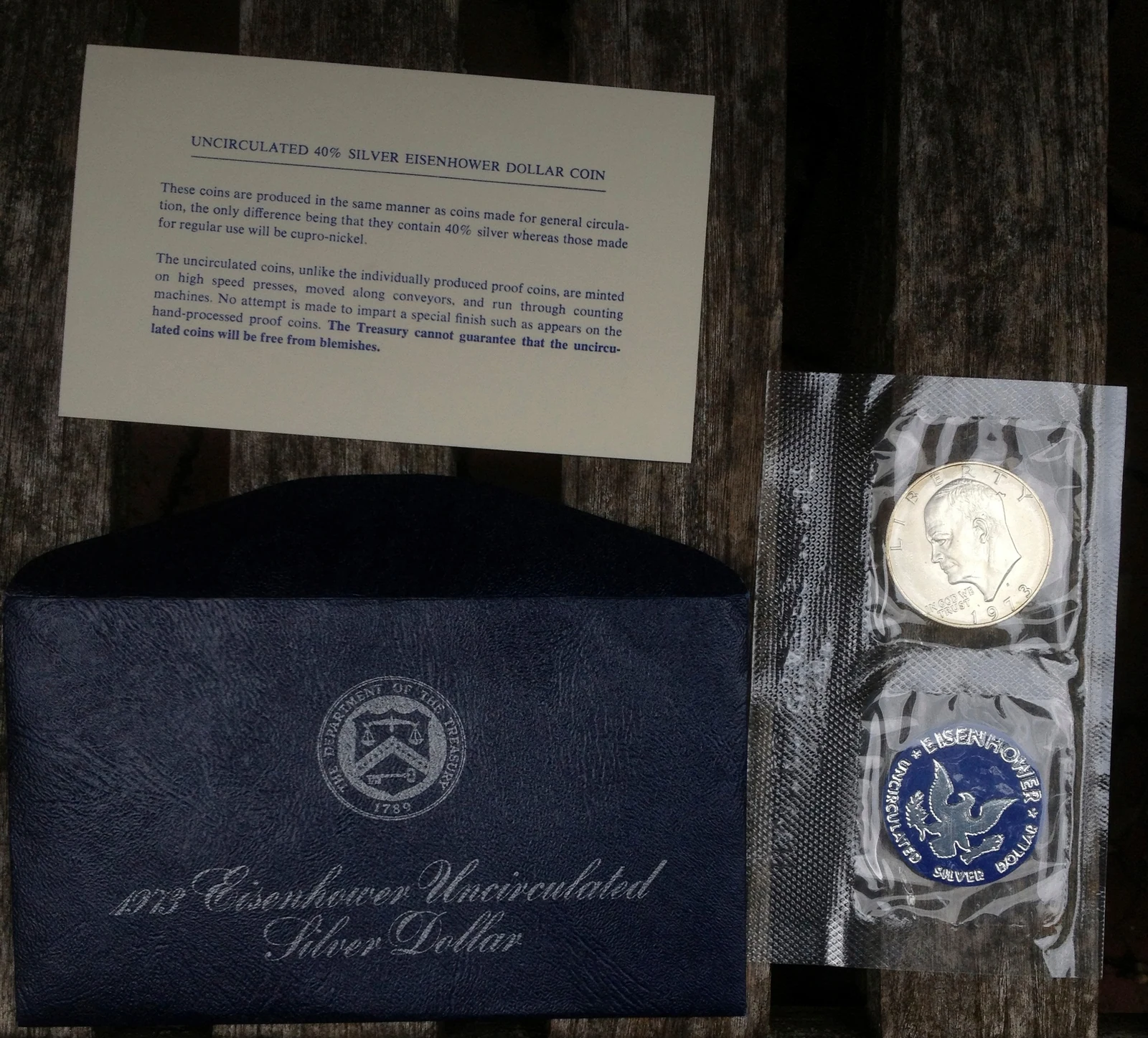
Think of packing as several separate jobs. The holder protects the coin's surfaces. The wrapping protects the holder. The inner arrangement keeps objects from colliding. The outer container resists ordinary handling and carries the address. Decorative mint packaging may be part of the item being shipped, so protect it as contents rather than using it as the shipping box.
Keep adhesive away from coins and avoid putting tape where a recipient must cut toward the coin or a valuable label. Secure individual protected pieces so they cannot strike one another. Cushion the assembly within a sturdy, appropriately sized outer container. Add a packing list inside without advertising the contents unnecessarily on the outside.
USPS warns against sending loose rigid objects such as coins in ordinary unpadded paper envelopes. Its packaging standards also require contents to be cushioned and prevented from shifting. Before sealing, gently check whether the packed assembly moves. A silent package is only a practical check, not a certification that the packaging meets every service requirement.
Create a small evidence packet
Our suggested packet links the transaction to the objects, the objects to the package, and the package to the carrier handoff. Use one shipment reference throughout. A photo of a sealed box is useful, but it does not identify what was inside. A coin photograph identifies an object, but it does not show which parcel carried it.
Record readable holder identifiers, both sides of the relevant items, and any existing holder damage. Photograph the grouped contents beside the packing list, the cushioned arrangement before closing, and the finished outer package. Preserve original files; avoid filters or edits that could obscure condition or identifying information.
USPS's claim guidance calls for mailing, insurance, value, and damage evidence as applicable. Its examples of value evidence include paid invoices and completed transaction records. Keep those documents together with the mailing receipt. A self-written inventory is helpful context, but do not assume it substitutes for whatever evidence a carrier requires.
- Shipment reference, recipient, contents, and number of protected pieces.
- Transaction or submission record and dated packing photographs.
- Service selected, any coverage documentation, and applicable instructions.
- Acceptance receipt, tracking number, and later delivery or problem records.
Worked example: a three-coin shipment
In this fictional example, a collector is sending three certified coins to an agreed recipient. The packing list identifies them as C01, C02, and C03, with their full holder numbers. The collector photographs all three fronts and backs, then places each protected holder into the cushioned inner arrangement.
Before closing the box, the collector compares the packing list against the actual three holders—not against memory. A second check verifies the recipient address and shipment reference. After sealing, the collector saves photographs of the outer package and obtains the appropriate acceptance record for the selected service. No insured amount is assumed in this example.
The recipient is asked to report arrival and any discrepancy promptly. If only two holders arrive, the record helps describe exactly which item is missing and which package carried the shipment. It does not prove where a loss occurred or compel a claim payment. That distinction keeps the paperwork useful without asking it to establish more than it can.
Plan receipt and exceptions before mailing
Agree on how the recipient will acknowledge arrival, especially when a package contains multiple pieces or accessories. Send the tracking details privately and retain the message. Avoid posting label photographs publicly: addresses, tracking identifiers, and account information do not belong in a collector showcase.
If damage or missing contents are discovered, stop discarding materials. USPS tells claimants to retain original packaging and contents because inspection may be required. Notify the relevant parties, describe what was actually observed, and check the current filing window for the service and issue. Do not let an informal promise to 'sort it out later' replace a deadline check.
Finally, close the shipment record only after reconciling what was sent with what was received. Note any unresolved discrepancy separately from the tracking status. 'Delivered' is a carrier event; 'three identified coins received in the expected condition' is a different observation. Your documentation should preserve both.
COLLECTOR FAQ
Questions worth asking
Does buying a label prove the carrier accepted the package?+
No. Keep the acceptance evidence appropriate to the selected service as well as the label record. A label purchase and a physical handoff are different events.
Will a packing video guarantee a successful claim?+
No. It may provide useful evidence, but eligibility, service terms, required documentation, deadlines, and the carrier's assessment still matter. Preserve receipts and packaging as well.
Should I reuse a mint presentation box as the outer mailer?+
Treat collectible packaging as part of the contents unless the recipient and carrier instructions establish otherwise. Protect it inside suitable shipping materials so labels, tape, crushing, and moisture do not unnecessarily damage it.
PRIMARY SOURCES
Verify the details.
USPS: DMM 601 Mailability and Packaging ↗USPS: Sending Letters and Rigid Objects ↗USPS: Domestic Claims and Evidence ↗KEEP LEARNING
Take the next step.
Build your coin knowledge →Compare the full auction cost →Inspect certified-coin claims →Browse all collector articles →NumisTrends provides educational information, not financial, legal, tax, grading, or appraisal advice. Verify the exact item and current market before a transaction.