
Bullion basics · 5 MIN READ
An LBMA-Listed Refiner Is Not the Same as a Good Delivery Retail Bar
Read the scope of a bullion accreditation before allowing a familiar logo to answer questions it was never designed to answer.
In this guide 5 sections + questions & sources
Start with the system the term belongs to
Good Delivery sounds like a general promise that a purchase will arrive safely. In bullion, it has a more specific meaning. LBMA describes a system governing bars used in the London wholesale market, with requirements involving weight, fineness and physical characteristics. It is not a shipping service, a retail return policy or a prediction of future resale proceeds.
The familiar descriptions of roughly 400-troy-ounce gold bars and 1,000-troy-ounce silver bars refer to that wholesale setting. They should not be copied into a retail comparison as if every qualifying bar had one identical exact weight.
Before interpreting a listing, identify the noun attached to the claim. Is the text describing a refinery, a brand, an individual bar or an entire transaction? A statement can be true about the first and misleading when transferred to the other three.
A listed maker can produce products outside that scope
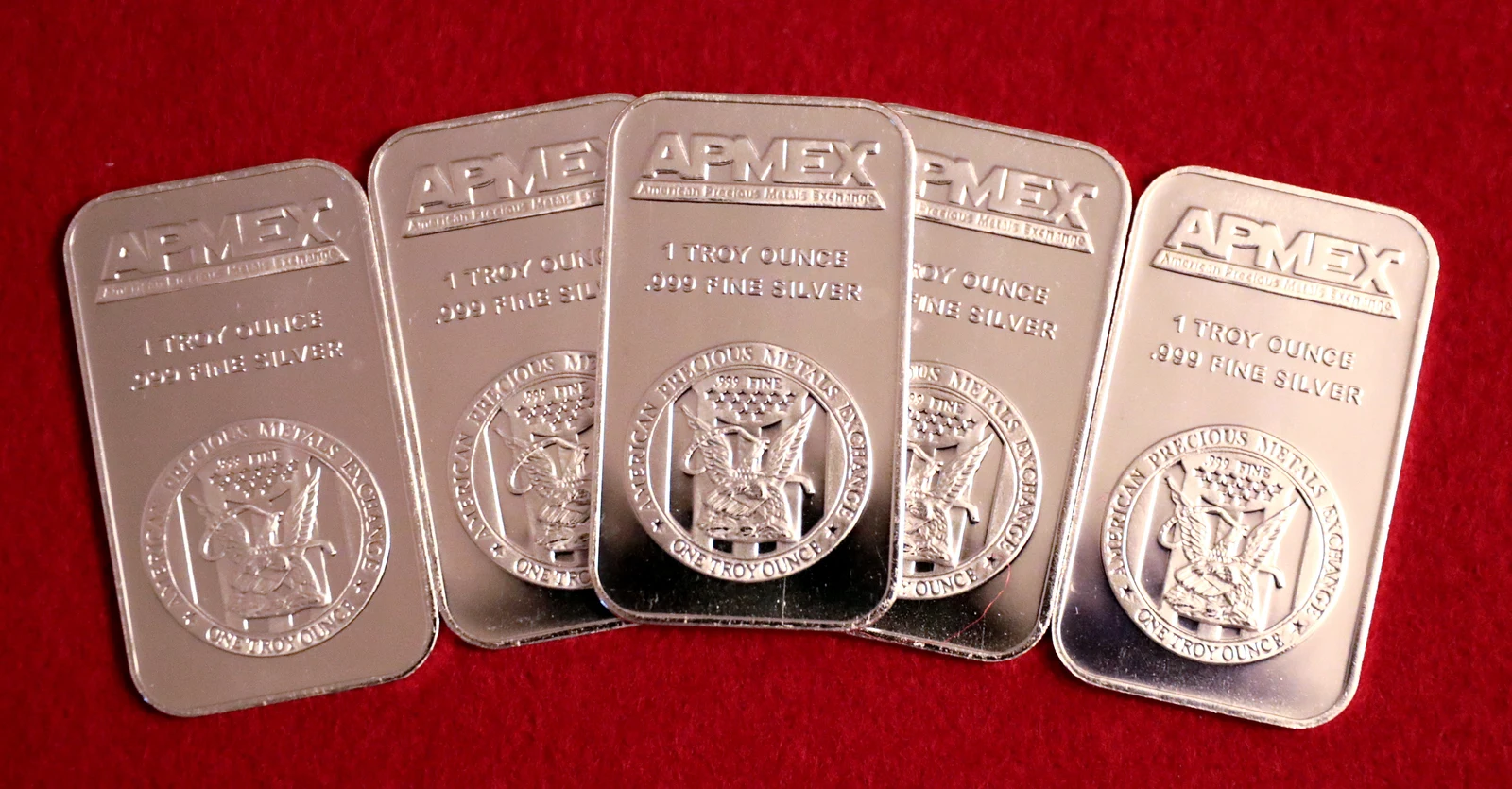
LBMA explicitly says that other refined products made by accredited refiners do not fall within the scope of the Good Delivery Lists. Its guidance also addresses gold kilobars: they are not London Good Delivery bars because they do not meet that standard's full criteria. Other markets may have their own specifications.
That distinction is not a criticism of a small bar. A product can be legitimate, useful and accurately described without being the specific wholesale format covered by this system. The mistake is borrowing the authority of one category to imply a different category has received the same recognition.
Read an accreditation statement as a claim with boundaries. If a seller means made by a listed refiner, that can be stated directly. If the wording instead suggests this individual retail object was authenticated or guaranteed by LBMA, request the exact evidence and scope before relying on it.
Worked example: rewrite an ambiguous advertisement
Here is a fictional advertisement, not a real supplier listing: One-ounce gold bar, Refiner R, LBMA certified, guaranteed resale everywhere. It combines four separate ideas in one short line. The size identifies a retail format. The refiner name identifies an asserted manufacturer. The certification phrase is ambiguous. The resale promise introduces a separate claim that the accreditation does not establish.
A more careful description would say: One-ounce gold bar bearing Refiner R's mark; manufacturer listing and product identity to be checked separately. Any statement about future acceptance should identify the actual buyer and its terms, rather than borrowing a universal promise from the manufacturer's reputation.
You do not need to accuse the seller of misconduct to ask for clearer wording. Request the relevant product specification and the official list entry being referenced. If the explanation never separates the maker from the particular bar, the original ambiguity has not been resolved.
Check a chain of claims, not just a logo
Begin at the official LBMA source, not a badge embedded in a sales image. Record which list entry the seller is invoking, which metal it concerns and when you checked it. Match the relevant manufacturer identity carefully; a similar name or a picture of an established logo is not the same as a documented connection.
Then move to the product itself. Compare the stated manufacturer, size and product description with the maker's information. Preserve the seller's representations and your transaction documents. These are separate checks: an official list can help explain a refinery claim without verifying that an object in someone else's photograph came from that refinery.
The Perth Mint warns that counterfeit products can falsely carry its branding and packaging. That warning illustrates the remaining object-level question. Recognizing the name on a package does not finish the task, even when the genuine manufacturer has a strong institutional reputation.
- What precise entity or object is said to be accredited?
- Which official record supports that statement?
- Does the bar format fall within the claimed standard?
- What evidence concerns the actual item being offered?
Keep purchase terms separate from accreditation
A buyer may accept particular products under specified conditions, but those terms belong to that buyer. Obtain them directly if they matter to your decision. Do not assume that recognition of a refiner supplies a universal buyback contract, an exemption from testing or a fixed deduction schedule.
Likewise, an accreditation claim says nothing by itself about when a seller will dispatch an order or how a dispute will be handled. Keep delivery commitments, cancellation terms and the description of the purchased item in their own part of the record. Mixing them together makes it harder to discover which promise actually failed.
The useful habit is grammatical as much as technical: identify what each sentence claims about what. A clear manufacturer statement can remain valuable without being inflated into a guarantee of the bar, the seller and every future transaction. Precision makes legitimate products easier to discuss without asking an industry standard to do more than it does.
COLLECTOR FAQ
Questions worth asking
Can a genuine one-ounce bar come from an LBMA-listed refiner?+
Yes. The maker's status and the retail product's format are separate questions. A small bar does not itself become a London Good Delivery bar through that connection.
Does a Good Delivery claim replace authentication?+
No. Establish what the claim covers, then address the identity of the actual object. A copied manufacturer mark does not make an object genuine.
Does LBMA status guarantee my future buyback price?+
No. A future buyer's acceptance and purchase terms must be established separately. This article makes no resale or price promise.
PRIMARY SOURCES
Verify the details.
LBMA: About Good Delivery ↗LBMA: London Good Delivery and Kilobar Scope ↗The Perth Mint: Counterfeit Coins and Bars ↗KEEP LEARNING
Take the next step.
Build your coin knowledge →Compare the full auction cost →Inspect certified-coin claims →Browse all collector articles →NumisTrends provides educational information, not financial, legal, tax, grading, or appraisal advice. Verify the exact item and current market before a transaction.