

GEMSTONE FIELD GUIDE
Garnet
Family or compositional name; no particular mineral member is implied.
A verified photograph has not been added for this material yet.
No substitute stone is shown. Its written reference remains available.
A verified 3D specimen capture is not available for this entry. No generated stand-in is used.
AT A GLANCE
Start with the evidence.
Garnet is a group of related minerals, often with mixed compositions. Establish the material before assigning a species or trade variety; neither color nor one number identifies every garnet.
No specimen photograph or reviewed property profile is available for this name yet.
See the details and limitations ↓Meet the garnet family.
Actual reference specimens, labeled by species. They illustrate the group—not one universal garnet color or test result.
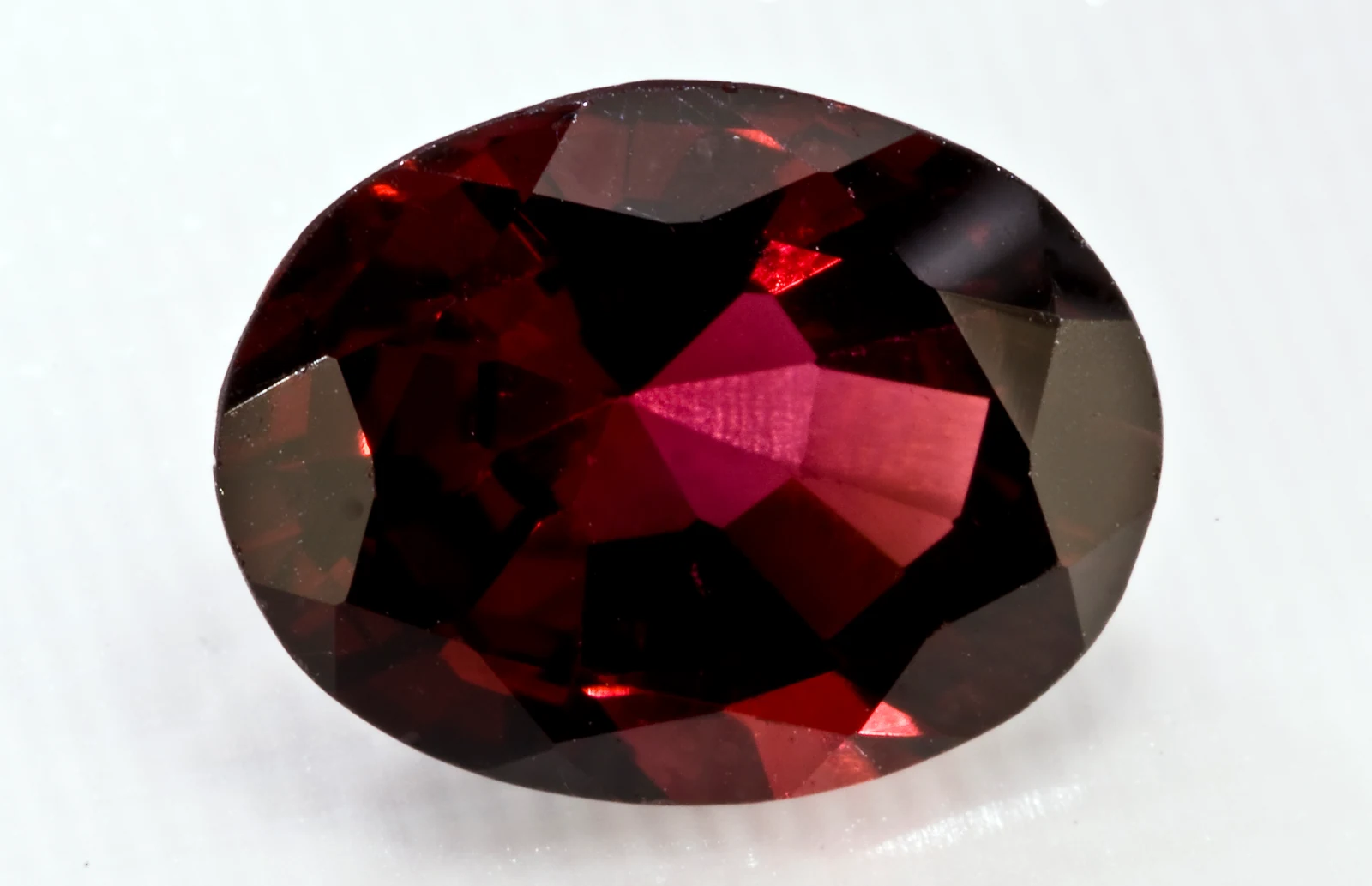 Almandine
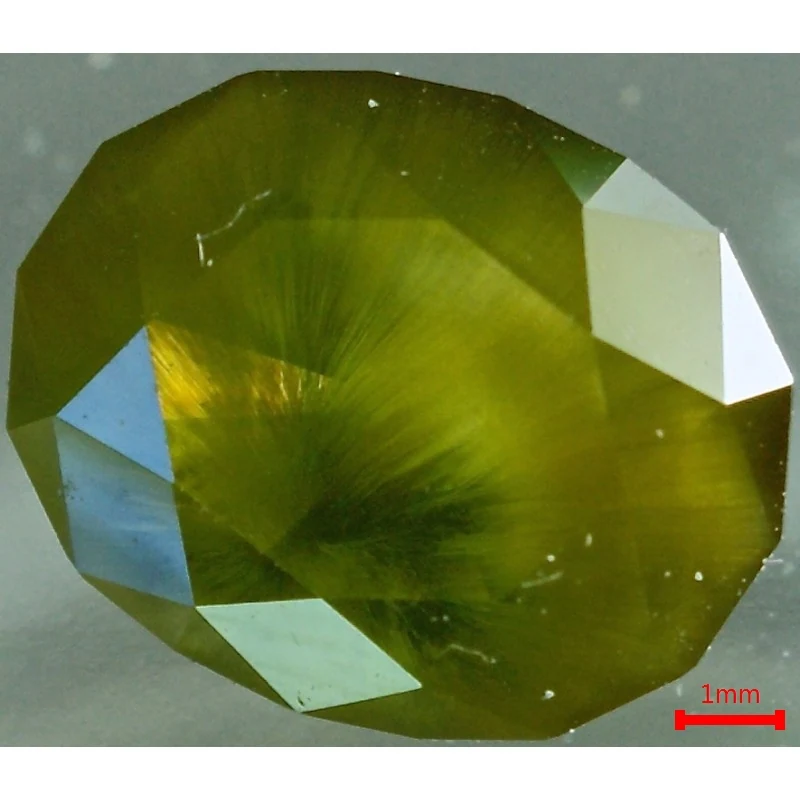 Andradite
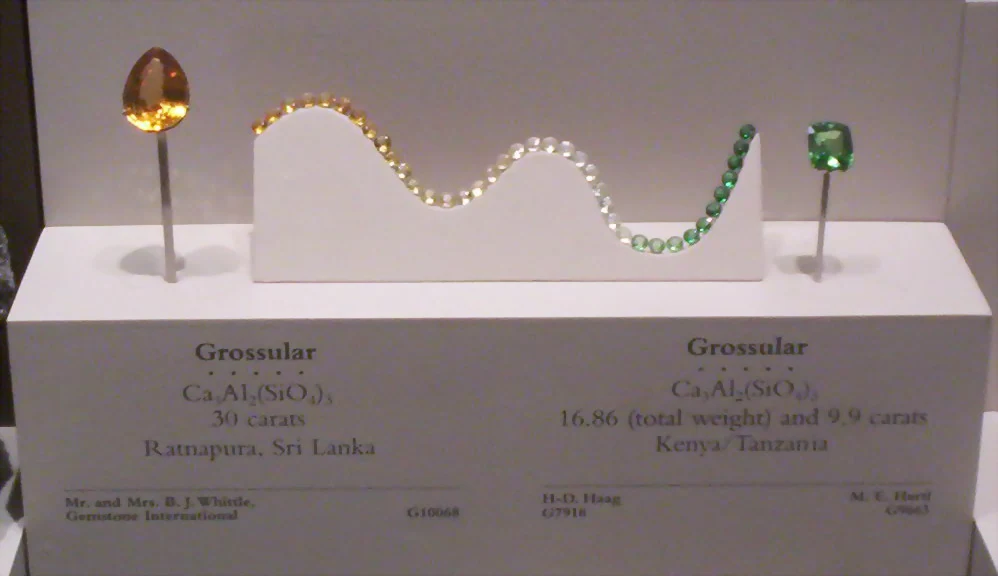 Grossular
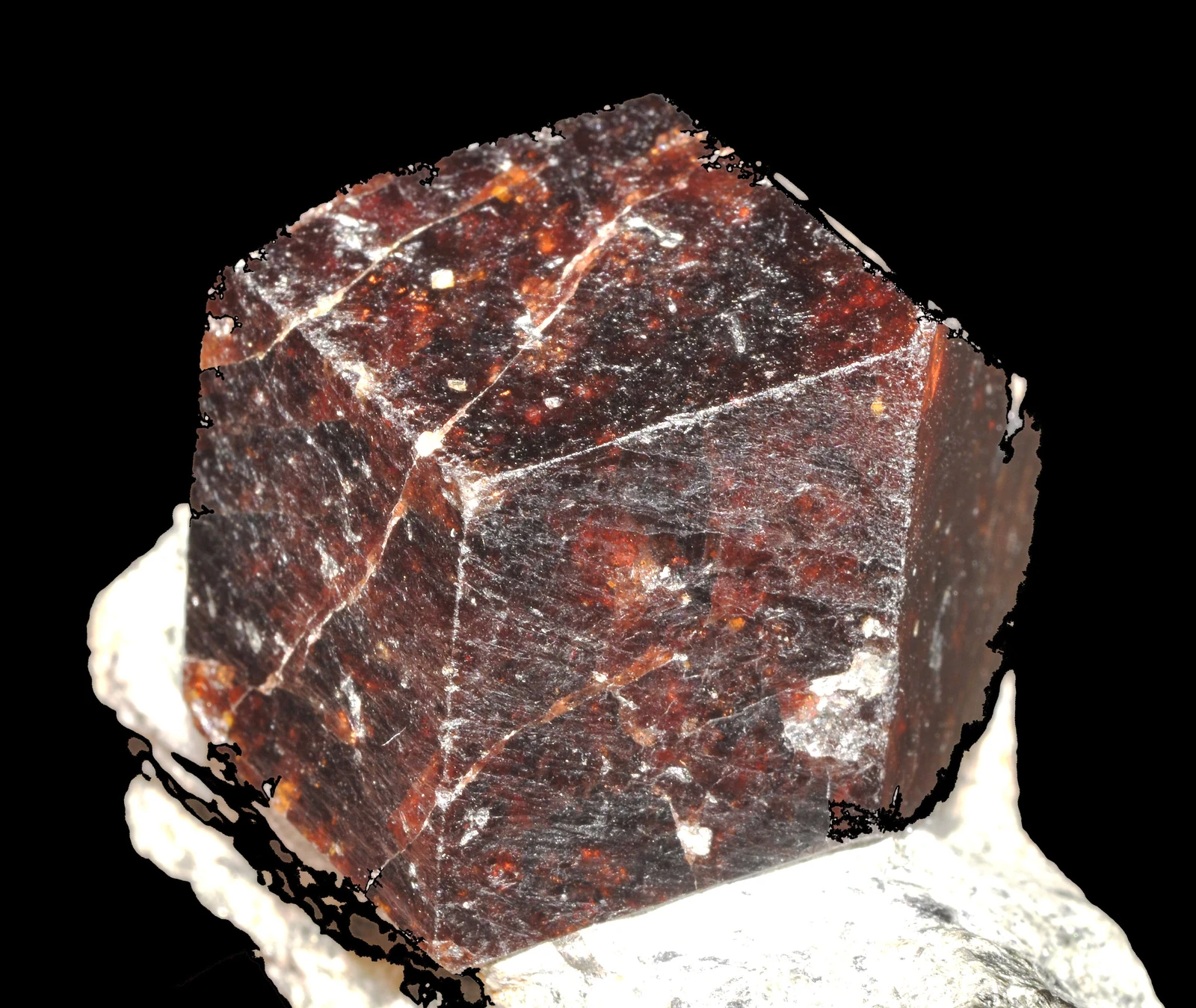 Pyrope
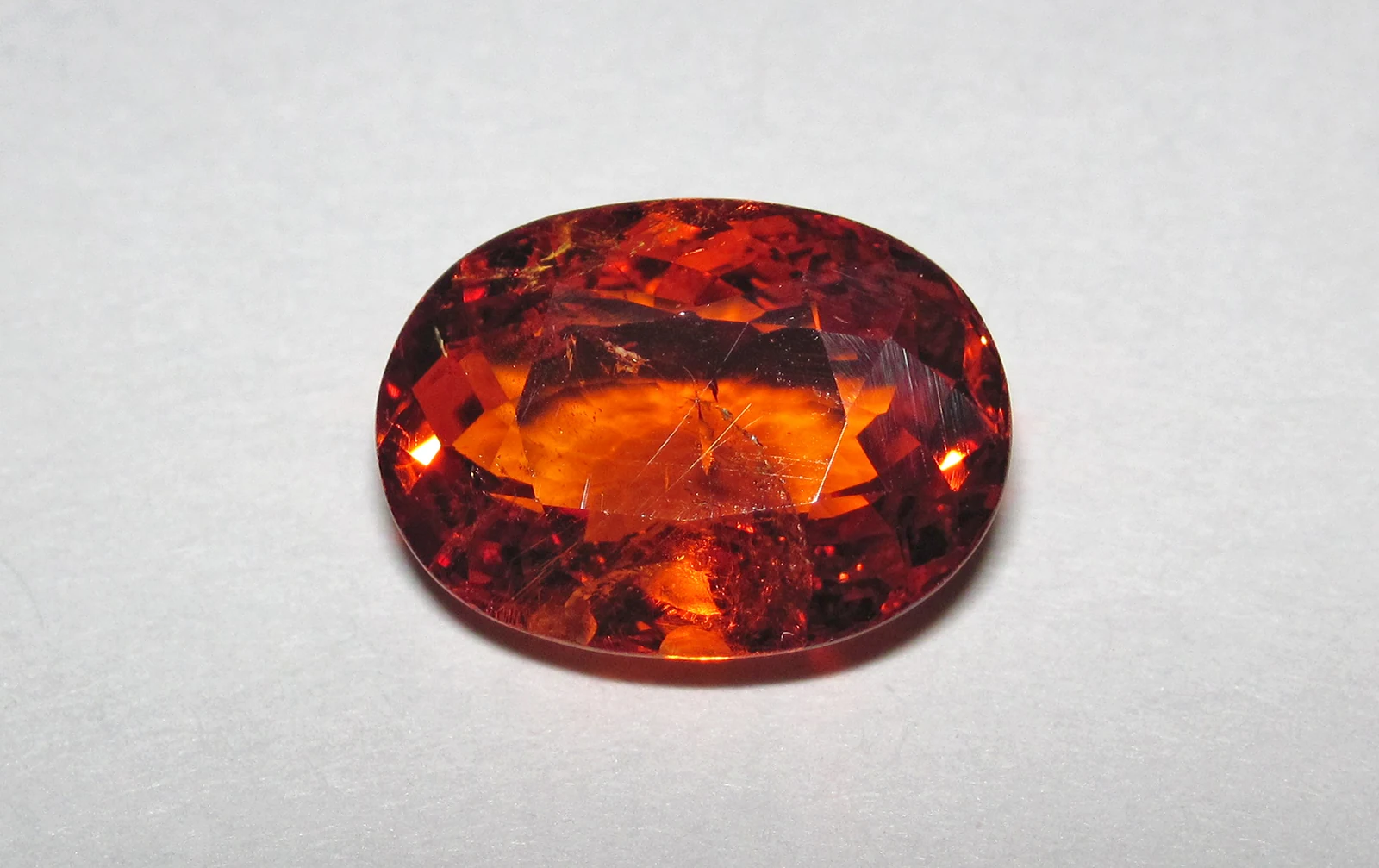 Spessartine
01 · IDENTIFY
Build a profile, not a guess.
Reviewed identification notes are below. This group does not have one universal numerical property profile.
What can look similar?
High-refractive-index glass
A very dark red glass can remain a candidate after initial testing.
How to investigate. Raman and corroborating laboratory evidence resolved that ambiguity in GIA's dark-garnet case.
Do not infer glass or garnet from darkness or heft alone.
Ruby
Red appearance can overlap.
How to investigate. Ruby's double refraction contrasts with garnet's usual single refraction; a gemologist interprets that optical distinction.
A single photograph is insufficient.
02 · TESTS & ULTRAVIOLET
What a test can—and cannot—tell you.
Results depend on the specimen, instrument and method. This is a reference for understanding evidence, not a home authentication or treatment verdict.
UV reaction
- Long-wave UV
- One 3.07 ct purplish-pink, pyrope-rich garnet examined by GIA showed strong red longwave fluorescence.
- Short-wave UV
- No material-specific result verified in this reference yet.
This is a documented individual specimen, not a garnet-group response range. A paired shortwave result was not reported for that highlighted specimen. Do not infer species, geographic origin or authenticity from its glow.
Optical profile with compositional interpretation
Whether measured optical properties fit garnet and which composition they may support.
Reference observation. GIA's pink-garnet case combined single refraction, RI and density with chemical evidence before assigning pyrope.
Limit. This is not one universal garnet cutoff. A laboratory may need compositional follow-up; these notes prescribe no sampling procedure.
Raman identification with corroborating evidence
Whether an ambiguous dark stone is garnet or a visually similar material.
Reference observation. In a published dark-red cabochon, Raman reference comparison identified pyrope-almandite; additional analyses corroborated it.
Limit. Use a trained laboratory. An inconclusive result through a setting is not permission to remove the stone yourself.
Real laboratory examples
Documented cases, not test results of the reference specimens shown on this page.
A fluorescent garnet was still a mixed-composition garnet
The 2022 garnet study documented blue apatite inclusions, red longwave fluorescence and a pyrope-dominant mixed composition.
The takeaway. A memorable trade appearance does not replace a mineral identification or establish a universal group response.
Use a qualified gemologist for identification work. Do not expose eyes or skin to UV sources, or perform scratch, heat, acid or solvent tests on a gemstone. Do not assume that an absent UV reaction rules a material out.
03 · TREATMENTS & CARE
Protect the stone you actually have.
Disclosed treatments, fractures and settings can change which cleaning methods are appropriate.
Durability varies among garnet types. Avoid hard knocks and steam cleaning. Warm soapy water is the conservative choice; fractured or fracture-filled stones need special care before ultrasonic cleaning is considered.
04 · SOURCES & SCOPE
Know where each fact comes from.
Original NumisTrends explanations with primary references. This is not a replacement for gemological training, a laboratory report, or the examination of your own stone.
Properties reviewed: not yet reviewed · Identification notes reviewed: 2026-09-07
GIA Gübelin Gem Project — collection research index ↗NumisTrends is independent of GIA, Gem-A and the museums cited. A matching property cannot by itself establish identity, natural versus laboratory-grown origin, treatment, geographic origin, grade or value.