
PRECIOUS-METAL MATH · 6 MIN READ
22K vs. 24K Gold: Compare the Gold, Not the Scale Reading
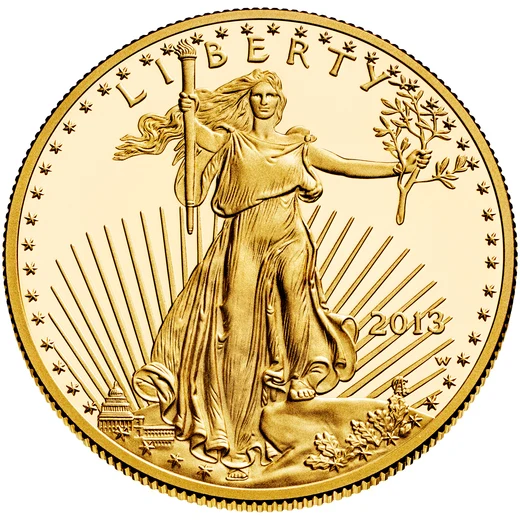
A one-ounce Gold Eagle and a one-ounce Gold Buffalo have different purity and gross weight, yet each contains one fine troy ounce of gold.
In this guide 5 sections + questions & sources
Ask whether the number describes proportion or quantity
Twenty-four karat and twenty-two karat describe composition, not the size of a coin. The FTC explains the karat scale as twenty-four parts: other metals make up the portion that is not gold. Twenty-two parts out of twenty-four is approximately 91.67 percent. A tiny high-purity item can therefore contain less gold than a larger item of lower purity.
Keep three terms separate. Gross weight is the complete object's mass. Fineness is the gold proportion. Fine gold weight is the gold amount after excluding the other metals. A fineness mark or karat description is also not an authenticity test. It tells you what the product claims to contain, not whether an unexamined object actually meets that claim.
Read the Eagle and Buffalo specifications together
For the one-ounce American Gold Eagle, the Mint lists 91.67 percent gold and a gross weight of 33.931 grams, while stating that the coin contains one gold troy ounce. The extra gross weight accommodates the alloy. The Mint describes that alloy as providing greater resistance to scratching and marring; it does not make the coin immune to damage.
The one-ounce American Gold Buffalo is .9999 fine, or 99.99 percent gold. Its published gross weight is approximately 31.103 grams, and its fine gold amount is one troy ounce. The higher purity does not give this one-ounce Buffalo more fine gold than the one-ounce Eagle. Neither does the Eagle's heavier scale reading give it extra fine gold.
Use the right ounce, and apply purity only once
NIST gives one troy ounce as 31.1034768 grams. Do not substitute an unspecified ounce from a household scale or treat grams and troy ounces as interchangeable. If a calculation starts with a verified gross weight and known fineness, fine gold grams equal gross grams multiplied by the gold fraction; convert the result to troy ounces when needed.
An official fine-weight specification has already done that separation. Use the Eagle's stated one fine ounce directly rather than multiplying it by 91.67 percent again. Published gram weights and composition percentages may be rounded, so recomputing from displayed figures need not reproduce the declared fine amount perfectly. NGC's U.S. gold table separately lists gross grams and actual gold weight, illustrating why both fields belong in the record.
Work through a fictional two-coin comparison
Fictional teaching example — not current prices, a forecast, or NumisTrends inventory. Assume one ordinary one-ounce bullion Eagle and one ordinary one-ounce bullion Buffalo, both correctly identified. The invented all-in purchase totals are $3,060 for the Eagle and $3,090 for the Buffalo. Every applicable purchase charge is assumed known and included. The invented gold reference is $3,000 per fine troy ounce.
Each coin contains one fine ounce, so each has a $3,000 gold-content reference in this exercise. The Eagle's total is $60 above that reference, or 2 percent. The Buffalo's total is $90 above it, or 3 percent. Cost per fine ounce is therefore $3,060 versus $3,090: a $30 difference for the same stated gold quantity.
Dividing by gross grams would count alloy as though it were gold. Calling the Buffalo richer because it is 24K would confuse proportion with quantity. The calculation establishes a cost difference in this invented offer, not which coin will be easier to resell or deliver a better future result.
Finish the comparison before choosing a listing
First confirm the size: Gold Eagles also come in half-, quarter-, and tenth-ounce formats. Then record the exact issue and finish. A proof Buffalo is a collector product, not a substitute for the ordinary bullion Buffalo assumed in the worked example. Compare the same product category before interpreting an apparent price advantage.
For a real offer, save the specification source, fine-ounce quantity, quoted total, and time of the metal reference. Leave uncertain charges unresolved rather than silently treating them as zero. This keeps purity arithmetic separate from product selection, authenticity assessment, and the terms of the sale.
COLLECTOR FAQ
Questions worth asking
Does a one-ounce 22K Gold Eagle contain less gold than a one-ounce Buffalo?+
No. Each contains one fine troy ounce. The Eagle has a greater gross weight because it includes additional alloy metals.
Should I multiply the calculator's fine ounces by purity?+
No. Fine ounces already represent the gold amount. Apply purity when converting verified gross metal weight, not a second time to a fine-weight figure.
Does 24K identify the better purchase?+
Not by itself. It describes purity, not quantity, authenticity, complete cost, collector significance, or future resale terms.
PRIMARY SOURCES
Verify the details.
FTC: Gold Karats and Alloy Proportions ↗U.S. Mint: Gold Eagle Fine Content and Gross Weight ↗U.S. Mint: Bullion Eagle and Buffalo Specifications ↗U.S. Mint: Buffalo Proof Fine-Weight Specification ↗NIST: Precious-Metal Conversion Factors ↗NGC: U.S. Gold Weight and Metal-Content Table ↗KEEP LEARNING
Take the next step.
Use the gold and silver calculator →Check the whole-lot cost →Separate melt and collector value →Browse all collector articles →NumisTrends provides educational information, not financial, legal, tax, grading, or appraisal advice. Verify the exact item and current market before a transaction.