
Gemstones · 6 MIN READ
Looking Inside a Gem: Useful Inclusion Notes Without an Authenticity Verdict
A loupe can help you observe structure and condition. Learn where observation ends and interpretation requires more evidence.
In this guide 6 sections + questions & sources
Begin with description rather than diagnosis
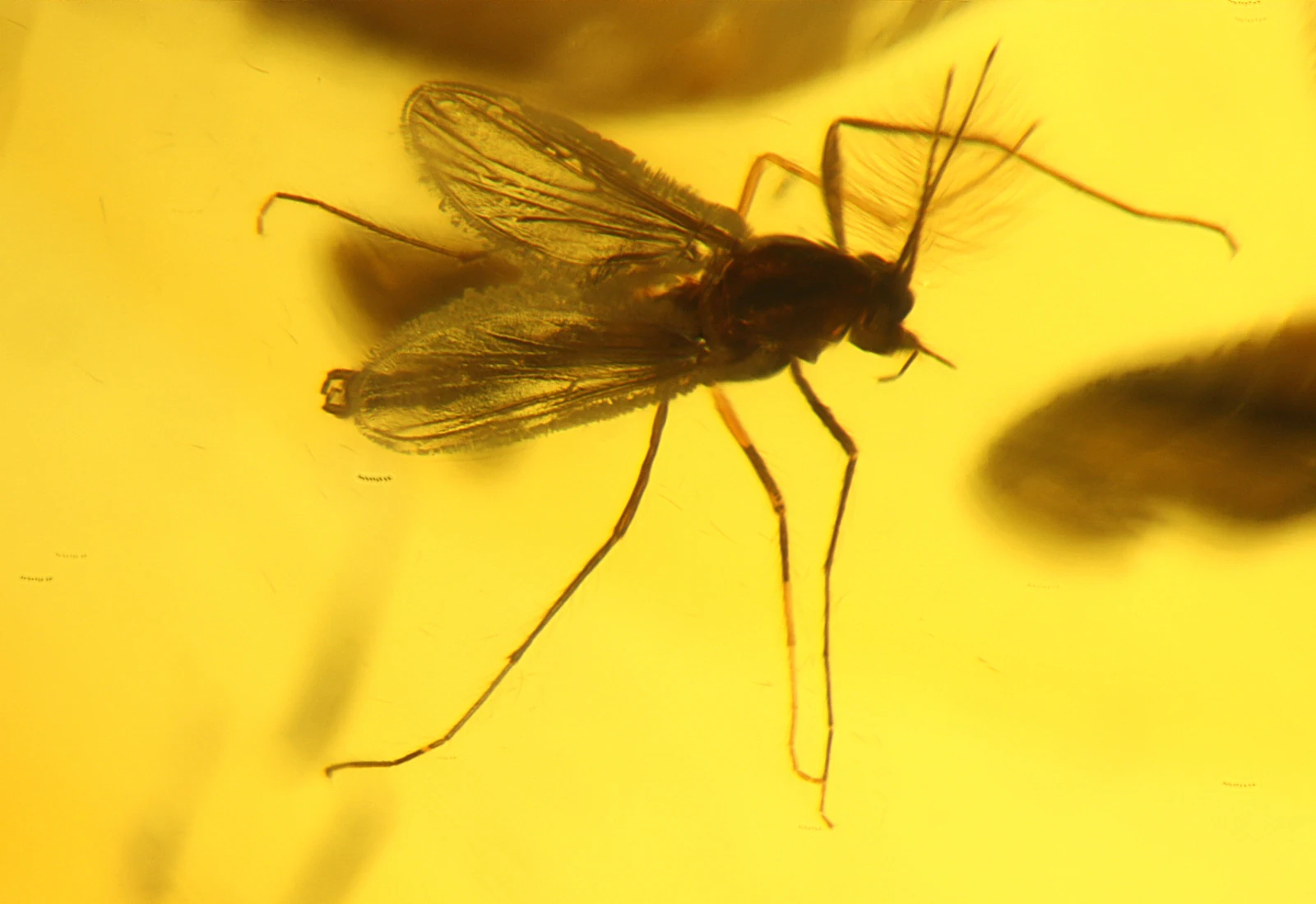
An inclusion is an internal feature such as a mineral crystal or a cavity containing fluid or gas. Studying inclusions can provide important evidence about a gem's formation and later history. For a beginner, however, recognizing that something is inside a stone is different from correctly identifying what it is and what it proves.
Try describing a feature without a species name: a pale needle near the edge, a reflective flat surface, or a cavity containing a small rounded feature. Record what you can see and the viewing conditions. Avoid moving directly from 'needle-like' to a named mineral, or from 'rounded' to 'glass bubble.' A description remains useful even when the initial interpretation later changes.
Keep surface features separate from internal ones
Dust, a scratch, a reflection and an inclusion can occupy similar-looking positions in a single photograph. Change the viewing angle and focus carefully before deciding where the feature is located. If you are using a phone attachment, keep the original image as well as any crop. Mark uncertainty rather than sharpening a faint spot until it looks more definite.
For an unidentified or delicate object, do not introduce cleaning fluids or immersion liquids simply to improve the view. A gentle, non-invasive observation can still be valuable. If a feature appears to meet the surface, describe that possibility and ask for professional assessment. You are documenting a potential condition question, not determining the stone's strength from the shape of one line.
Retire the one-feature authenticity rules
'Bubbles mean fake' is an unreliable shortcut. Natural fluid inclusions can contain gas bubbles; the surrounding cavity and its relationships matter. Conversely, laboratory-grown materials can contain inclusions produced by their growth environment. A visually clean stone is not automatically synthetic, and a visibly included one is not automatically natural.
Reference charts remain useful when used for their intended purpose. GIA's sapphire inclusion publication compares features across natural, synthetic and treated material. It does not make a matching thumbnail sufficient evidence for every unknown stone. Similar-looking features may require different lighting, magnification, material context or additional testing to distinguish. Use a chart to formulate better questions, not to award a certificate to your own photograph.
A natural inclusion can sit inside an assembled object
One particularly instructive GIA case concerned a glass-and-quartz triplet resembling emerald. Internal features in one component included fluid-and-gas inclusions and partially healed fissures. The investigators also examined the joining layer and tested different parts. A natural-looking internal scene did not make the complete object one natural emerald.
Apply that lesson to a fictional pendant. Suppose the accessible lower portion shows convincing-looking internal features, while the setting conceals the side. Your record should say where the features were observed and which areas could not be inspected. It should not silently extend a conclusion about one portion to every component. Assembly is a whole-object question, not just a search for natural features somewhere inside.
Build a fictional observation log
Imagine examining a transparent oval whose identity has not been established. Your first note is 'thin bright lines near one end under side lighting.' A second view suggests that some lines lie beneath the surface, but you cannot confidently determine whether one reaches it. You capture an uncropped overall view and a close-up labeled with the viewing direction.
The useful next request is specific: can an examiner determine the nature of these features, whether any reach the surface, and whether they affect care or identification? A weaker request would be 'Please confirm my rare natural gem.' The first invites examination; the second pressures the evidence toward a conclusion chosen in advance.
- Assign an item identifier so images stay linked to the correct object.
- Record magnification or the equipment used, without inventing a calibrated image scale.
- Describe shape, color, position and apparent depth in neutral words.
- Separate observed facts from possible explanations.
- Record inaccessible areas and preserve original, unedited files.
Know what a professional conclusion adds
An examiner evaluates features in the context of the host material and the rest of the evidence. Sometimes the exact identity of a tiny crystal requires instrumental confirmation rather than appearance alone. Sometimes several observations together are more informative than one dramatic feature. A good conclusion also makes room for limitations when the stone is mounted or the relevant region is inaccessible.
For a purchase, connect the question to the claim being made. Natural versus laboratory-grown origin, heating, assembled construction and a surface-reaching fracture are different inquiries. Ask which were addressed and which were not. If all you currently have is a loupe photograph, say so. An honest observation log is a useful learning tool and a better starting point for specialist work than an unsupported authenticity claim.
- Request a conclusion about the particular feature or claim, not merely a more impressive image.
- Keep condition questions separate from growth-origin questions.
- Do not infer a source country from a familiar inclusion photograph.
- Treat 'not seen' as an observation limit, not proof that a feature is absent everywhere.
COLLECTOR FAQ
Questions worth asking
Does a gas bubble prove a stone is glass?+
No. Gas can occur within natural fluid inclusions. The surrounding structure, host material and other evidence are essential; a round spot in a photograph is not enough.
Are inclusions always defects?+
No. Some contribute to optical phenomena or make a specimen interesting, while others raise appearance or condition questions. Their effect depends on the particular feature and stone.
Can an inclusion photograph prove geographic origin?+
Not by itself. Origin assessment combines contextual evidence and suitable reference comparisons. Similar internal features can occur in material from different locations.
PRIMARY SOURCES
Verify the details.
GIA: Inclusions in Gemstones (2022) ↗GIA: Laboratory Growth of Gem Materials and the Attempt to Replicate Nature (2024) ↗GIA: Inclusions in Natural, Synthetic, and Treated Sapphire (2017) ↗GIA: Unusual Glass-and-Quartz Triplet Imitation of Emerald (2022) ↗KEEP LEARNING
Take the next step.
Explore the gemstone reference →Understand treatments and laboratory reports →Browse all collector articles →NumisTrends provides educational information, not financial, legal, tax, grading, or appraisal advice. Verify the exact item and current market before a transaction.