
Gemstones · 6 MIN READ
Species, Variety, Color: Reading a Gem Report’s Identity Words
Learn which words identify the material, which describe its appearance, and which belong to the seller’s vocabulary.
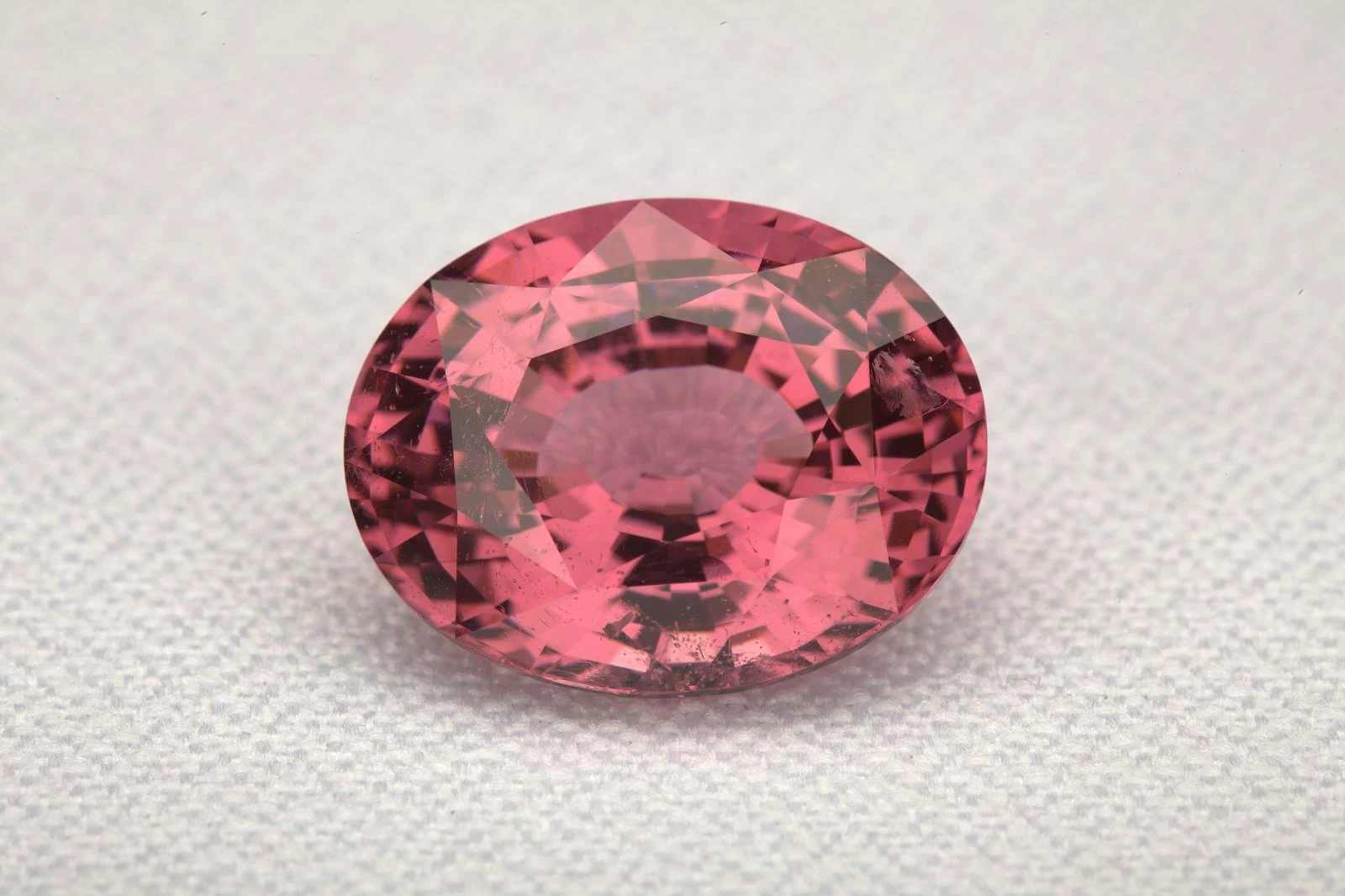
In this guide 6 sections + questions & sources
Give each word a job
A long gemstone description can feel more precise than a short one while actually mixing several kinds of information. Before interpreting it, sort the words into columns: material identity, variety or commercial name, appearance, manufacture or growth, and physical description. Leave a column blank when the document does not answer it. A blank is more useful than a guess that later becomes part of the item’s history.
GIA’s sample colored-stone report page separates identification from descriptive information such as shape, cutting style, measurements, weight and color. That structure is a helpful reading model, not a promise that every laboratory uses identical fields. Begin with the document in front of you. Copy its headings and exact conclusions before trying to translate them into a simpler explanation for someone else.
Species and variety are different levels
Corundum provides an accessible example. GIA describes sapphire and ruby within the mineral species corundum; sapphire is not restricted to blue. Thus, a description containing both corundum and sapphire is not necessarily naming two different stones. One word can identify the mineral while another gives a more specific gem name. A color term then describes the particular appearance rather than introducing another mineral species.
Use that example to resist a common catalog mistake: counting every familiar gem name as a separate species. Conversely, do not force every gemstone into a single-species template. Some gem materials are rocks, biological products or manufactured combinations. If an educational directory has separate entries for a species and one of its varieties, those entries improve searching; they do not establish two independent kinds of mineral matter.
Trade language needs translation, not automatic rejection
Some established jewelry names do not align neatly with mineralogical terminology. Gem-A uses jewelry “marcasite” as an example: the familiar jewelry material is typically pyrite, while mineralogical marcasite has its own identity. This illustrates why an experienced seller and a mineral catalog might use different words without those words being equivalent scientific classifications. It does not authorize treating all ambiguous names as harmless.
Ask a narrow question: what material does this name mean in this listing? Request an answer that remains understandable when the marketing adjective is removed. Keep the seller’s original wording in your records, but place an explanation beside it rather than silently substituting a preferred name. If the explanation changes the identity or commercial description, have the seller clarify the written listing before you rely on it.
Shape does not tell you how the facets are arranged
Imagine the fictional description “oval, mixed cut, blue, corundum, sapphire.” Oval belongs to the outline column. Mixed cut belongs to the cutting-style column. Blue belongs to appearance, while the final two terms belong to identification at different naming levels. Reading them this way reveals information rather than treating the entire phrase as a single impressive label.
A second fictional listing says only “oval blue gem.” It supports a far narrower conclusion, even if its photograph looks similar. Do not fill its empty identity columns from the first example. Likewise, do not turn a seller’s word such as premium into a laboratory conclusion. In a comparison worksheet, preserve missing information with a clear “not stated,” then decide which unanswered field matters enough to ask about.
- Copy the identity line separately from the sales title.
- Separate outline, cutting style and color into their own fields.
- Mark seller-only names as seller descriptions until their meaning is explained.
Keep qualifiers attached to the claim
A report may contain conclusions, limitations and comments in different places. A careful summary keeps the qualifier with the statement it qualifies. Do not extract an attractive noun from a longer conclusion and discard the surrounding context. If wording is unfamiliar, ask the issuing laboratory what that wording means within its service rather than relying on a dictionary definition detached from the report.
This is especially important when preparing a resale description. Build the summary from the document outward: identify the document, transcribe the relevant conclusion, then explain the terminology in ordinary language. Do not translate a descriptive color into a standardized quality grade unless the report expressly provides that grade. The goal is an understandable account of what was actually recorded, not a more authoritative-sounding version of it.
Use a three-pass reading routine
On the first pass, read only the identity and its qualifiers. On the second, read physical description and appearance. On the third, compare those statements with the sales language. This order makes it easier to notice when a glamorous name appears in the advertisement but has no stated counterpart in the report. It also prevents an attractive color description from distracting you from an unresolved identity question.
For the fictional oval sapphire, the final note might read: “The document identifies corundum, variety sapphire; the seller calls the color ocean blue.” That sentence preserves both statements without merging their authority. This lesson is about reading categories, not verifying that a report belongs to a particular stone or deciding whether a purchase is worthwhile. Those require additional evidence beyond vocabulary alone.
COLLECTOR FAQ
Questions worth asking
Does a variety name mean a separate mineral species?+
Not necessarily. A variety can sit within a species, as sapphire does within corundum. Other gem names describe groups, rocks or commercial categories. Check the naming level rather than assuming every familiar label is a species.
Is a trade name automatically misleading?+
No. Its usefulness depends on whether its meaning is made clear. Keep it separate from a scientific identity and ask what material the seller intends it to describe.
Can I rewrite a laboratory conclusion in simpler language?+
Explain it, but preserve the original conclusion and relevant qualifiers. Your explanation should not imply a quality grade, testing result or certainty that the document does not state.
PRIMARY SOURCES
Verify the details.
GIA: Sample Colored Stone Reports ↗GIA: Sapphire Description ↗Gem-A: Alternative Facts in Gemstone Naming ↗KEEP LEARNING
Take the next step.
Explore the gemstone reference →Understand treatments and laboratory reports →Browse all collector articles →NumisTrends provides educational information, not financial, legal, tax, grading, or appraisal advice. Verify the exact item and current market before a transaction.