
BULLION BASICS · 6 MIN READ
Coin, Round, or Bar? Read the Identity Before the Price
Legal-tender status describes an issue's monetary identity. It does not establish the contents, authenticity, or resale value of the item in a listing.
In this guide 5 sections + questions & sources
Separate monetary identity from physical form
A circular object with a portrait, date, and impressive lettering can look like a coin without being money. The Mint's glossary defines coins by government issuance, and distinguishes medals from money intended to circulate. It also places bars, ingots, and coins under the broader bullion heading. Bullion is therefore not the opposite of coin: a genuine bullion coin is both.
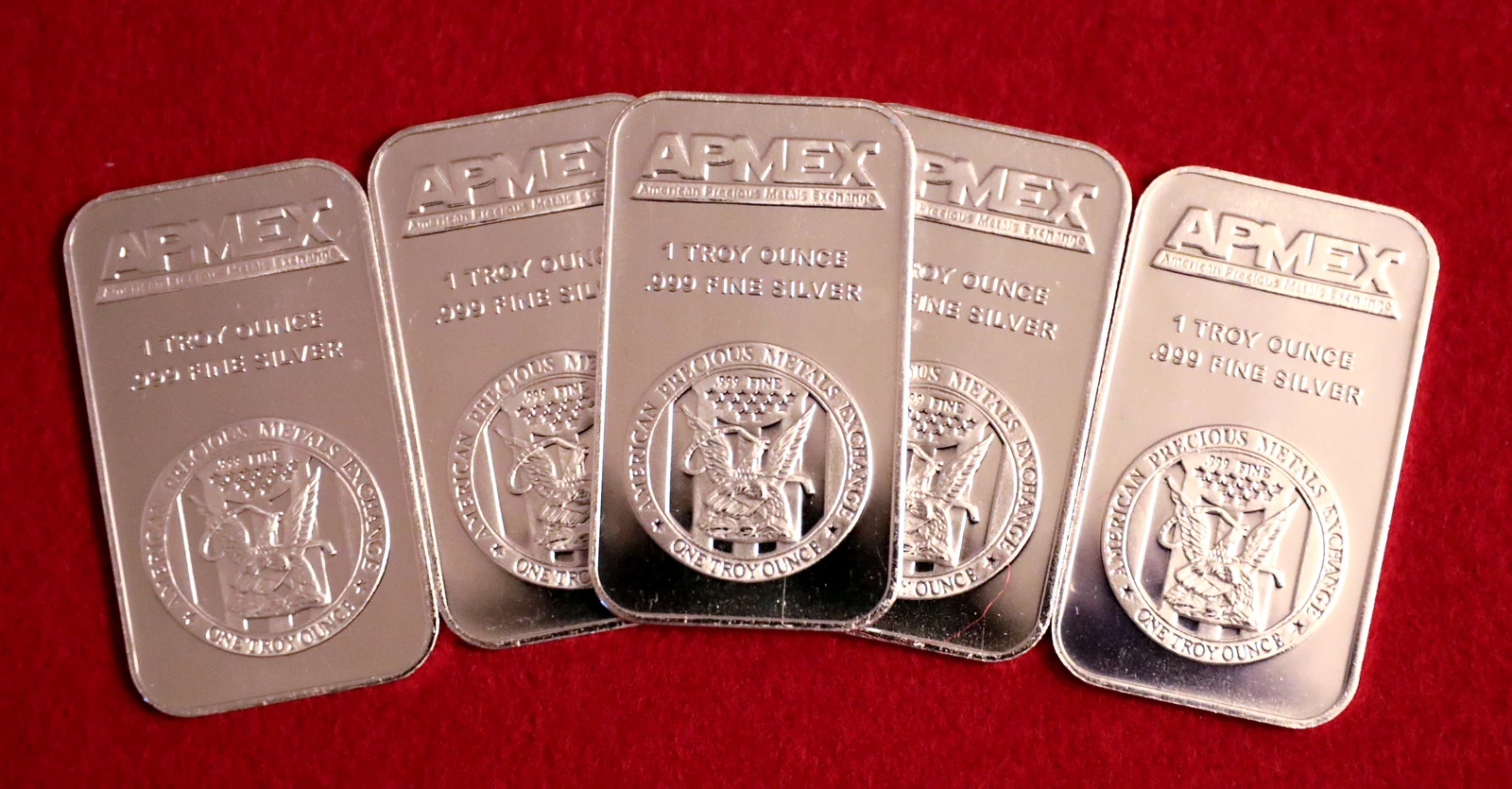
In ordinary bullion-shopping language, a round is a nonmonetized piece, commonly made privately, while a bar is a metal product described by its form and specifications. Shape alone cannot settle the legal identity of every unusual collectible. Ask which authority issued it as money, if any, rather than treating the seller's use of the word coin as the answer.
Read face value as a separate fact
An American Silver Eagle carries a one-dollar denomination and a one-ounce silver specification. The one-ounce Gold Eagle carries a fifty-dollar denomination and its own gold specification. Those numbers identify denominations; they do not tell you the retailer's asking price or the amount of precious metal by themselves.
Legal tender also does not mean an issue was made for everyday spending. The Mint explicitly describes its commemorative coins as legal tender that is not produced for general circulation. Keep three entries separate in your notes: face value, stated fine-metal amount, and quoted purchase total. Neither the first nor the second is a promise about a later resale offer.
The same design can belong to different products
PCGS's own thirty-fifth-anniversary program provides a useful real example. It described one-ounce silver two-dollar coins issued by Niue and one-ounce copper rounds carrying the same designs. The rounds were specifically described as unmonetized. Similar artwork did not give the copper products the coins' denomination, metal composition, or monetary status.
That is why a photograph of the main design is incomplete identification. Read the other side, inscriptions, stated metal, issuing country, and product description. Do not extend the identity of one issue to another merely because they share a portrait or anniversary. Likewise, a private product is not automatically a counterfeit; the important questions are what it claims to be and whether that claim is accurate.
Build three product records, not one category guess
Fictional comparison exercise: three listings are all advertised as one-ounce silver coins. Listing A identifies an American Silver Eagle, Listing B a private bullion round, and Listing C a generic silver bar. No actual seller, inventory, price, or authenticity determination is represented here. The exercise is to correct the descriptions before comparing an offer.
- A — Coin: check the U.S. issue, one-dollar denomination, year, finish, and published one-fine-ounce specification.
- B — Round: record the private maker, exact product, stated fineness, and whether one ounce means fine silver or total weight. Do not invent a face value.
- C — Bar: record the producer and precise size, weight unit, fineness, and any product identifier. Treat markings as claims to verify, not self-proving evidence.
- All three: confirm what quantity is included, the complete purchase terms, and what independent evidence supports the seller's description.
Do not turn official status into a blanket guarantee
The identity of a genuine government issue does not authenticate the particular object offered online. The Mint warns that replicas may use terms such as tribute or reproduction and that replicas of U.S. coins are not legal tender. Familiar artwork and a copied denomination therefore cannot complete an authenticity check.
Nor does official status make a transaction risk-free. The FTC warns about precious-metal sellers who invent credentials, create urgency, or promise easy returns. Ask for a clear product description and written terms, and pause when the explanation rests on official-looking language instead of evidence. The aim is an accurately identified purchase, not declaring one format universally superior.
COLLECTOR FAQ
Questions worth asking
Does no face value mean no precious-metal value?+
No. A round or bar can contain precious metal without being money. Verify its actual product and metal specification instead of assigning value from its shape.
Does legal tender mean the Mint sells it for face value?+
No. Denomination and selling price are different facts. Bullion and collector products are not priced simply by the monetary amount printed on them.
Is a private round automatically a fake coin?+
No. An accurately described nonmonetary product is different from an object misrepresented as an official coin. Check the exact claim, not just the design.
PRIMARY SOURCES
Verify the details.
U.S. Mint: Coin Term Glossary ↗U.S. Mint: Bullion Coin Programs and Specifications ↗U.S. Mint: Commemorative Coins ↗PCGS: Anniversary Coins and Unmonetized Rounds ↗U.S. Mint: Product FAQs and Replica Distinctions ↗FTC: Investment Scams, Including Precious Metals ↗KEEP LEARNING
Take the next step.
Explore coin collecting →Separate melt and collector value →Check the whole-lot cost →Browse all collector articles →NumisTrends provides educational information, not financial, legal, tax, grading, or appraisal advice. Verify the exact item and current market before a transaction.