
SILVER COIN FIELD GUIDE
Which Kennedy half dollars are silver?
Start with the date. Then check the issue before combining coins in a silver calculation.
The short answer
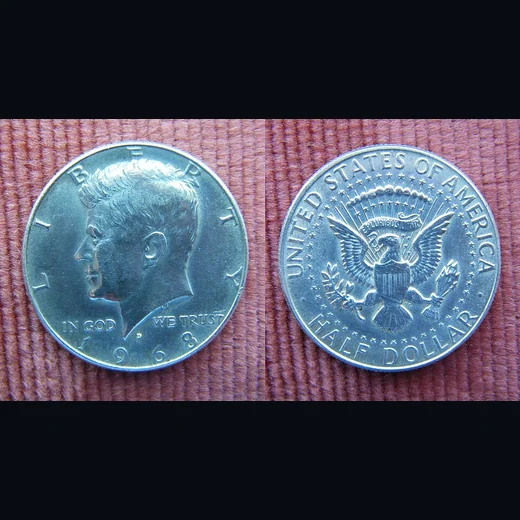
Kennedy halves dated 1964 contain 90% silver; the regular 1965–1970 issues contain 40%. Ordinary circulation issues from 1971 onward are copper-nickel clad, but later collector editions include silver. This page’s calculator profile covers 1965–1970 halves only.
The metal baseline
- Profile covers
- 1965–1970
- Composition
- 40% silver
- Standard gross weight
- 11.5 g
- Fine silver per coin
- 0.1479 troy oz
- Face value
- $0.50
Dates and composition at a glance
| Issue | Composition | Check before calculating |
|---|---|---|
| 1964 | 90% | Use the 1964 profile. |
| 1965–1970 regular, SMS and proof issues | 40% | No proofs dated 1965–1967; those collector sets are SMS. 1970-D is Mint Set-only. |
| 1776–1976-S silver collector issue | 40% | Proof and uncirculated silver editions exist; clad Bicentennial coins also exist. |
| 1992–2018 silver proof Kennedy | 90% | Identify the silver issue; do not assume every S proof is silver. |
| Silver proof Kennedy issues from 2019 | 99.9% | The silver-proof standard changed in 2019; identify the actual product. |
| 2014 four-coin anniversary silver collection | 90% | Four different finishes; not limited to ordinary proof. |
| 1964–2014 anniversary gold proof | Not a silver issue | 3/4 troy ounce of .9999 fine gold. |
Sort the dates before counting the silver
Separate 1964 halves from 1965–1970 halves. They share the Kennedy portrait but have different metal content. Keep later dates, proofs and packaged collector issues in a separate group until their exact issue is established.
For matching 1965–1970 halves, the published silver content is 0.1479 troy ounce per coin. Multiply that by the quantity and a current silver quote for a contained-metal estimate. Collector condition and attributed varieties need their own comparison.
References: U.S. Mint — First striking of new half-dollar material ↗ · NGC — U.S. silver coin melt specifications ↗
Silver exceptions after 1970
The 1776–1976 date does not establish silver. Bicentennial halves were made in copper-nickel clad and as 40% silver S-mint collector issues. Identify the exact coin or set before choosing a profile.
Silver Kennedy proofs returned in 1992: the 1992–2018 silver-proof issues use 90% silver, while the silver-proof standard changed to .999 fine silver in 2019. Clad proofs also exist, so an S mintmark or mirrored finish alone is insufficient.
The four-piece 2014 anniversary silver collection contains 90% silver coins in proof, reverse-proof, enhanced-uncirculated and uncirculated finishes. The separate 1964–2014 gold proof is .9999 fine gold; it does not belong in a silver calculation.
References: PCGS CoinFacts — Silver Bicentennial Kennedy half dollar ↗ · PCGS — The Return of Silver Proof Sets in 1992 ↗ · U.S. Mint — 2018 annual Silver Proof Set ↗ · U.S. Mint — 2019 Limited Edition Silver Proof Set ↗ · U.S. Mint — Kennedy 50th-anniversary products ↗
Set aside a 1970-D for a closer comparison
The 1970-D was distributed in Mint Sets rather than released for ordinary circulation. Record the mintmark and condition before treating it like an interchangeable silver half. The 1970-S is a separate proof issue.
Special Mint Set coins from 1965–1967 are not proofs. Establish the finish before applying an SMS variety name; the date by itself is not an attribution.
References: PCGS CoinFacts — 1970-D Kennedy half dollar ↗ · PCGS CoinFacts — Kennedy Type 2, Silver Clad ↗
Put that idea to work.
A 1964 half and a 1967 half look similar. Should you count both under the 40% profile?
No score, no penalty. Use the explanation and try again.
Questions collectors ask
Is a 1967 Kennedy half dollar silver?
Yes. The regular 1967 Kennedy half dollar and its Special Mint Set counterpart contain 40% silver. Use the 1965–1970 profile, then check condition and any properly attributed SMS variety separately.
Are all 1776–1976 Kennedy half dollars silver?
No. Copper-nickel clad Bicentennial halves and 40% silver S-mint collector editions both exist. The dual date alone is not enough; confirm the issue before calculating.
Why should I check a 1970-D separately?
It was sold in 1970 Mint Sets rather than released for ordinary circulation. It still contains 40% silver, but its condition and collector interest deserve a separate comparison before sale.
40% Kennedy Half
Read the transcript and credits
- A nineteen sixty-eight Kennedy half still contains silver. The nineteen sixty-five through nineteen seventy group is forty percent, not the earlier ninety percent.
- This profile contains zero point one four seven nine fine troy ounce of silver per coin.
- Ten matching coins contain one point four seven nine fine troy ounces. Multiply that total by the current silver spot price.
- Purity is already included. The exact issue and condition still matter for collector value.
- Choose the exact coin at NumisTrends dot net.
Photographs resized and cropped for display; coin details are not retouched. Ricce · Public domain · License.
Music: “I Found the Grade in the Lighting” by NumisTrends.
Similar portraits can hide different metal totals
Sort mixed Kennedy halves before choosing a quantity. Combining 1964, 1965–1970, and ordinary later clad coins under this one profile would give the wrong metal estimate.
For a 1966 SMS No FG attribution, Special Mint Set status and completely absent initials both matter. Faint initials are not the same as missing initials.
Where to look. Match the date first: 1964 is 90% silver, while this 1965–1970 group is 40%. Special Mint Set status must be established before applying an SMS variety.
Dates and details worth a second look
This is a selected watch list, not every key date or variety in the series. Finding a matching date is a reason to inspect further—not proof of authenticity, grade, or a particular value.
What do these collector labels mean?
Better date. A date or issue that merits its own comparison, not an automatic high-value finding.
Variety. A specific attributed design or die difference, not every coin with that year.
- Better date
1970-D
Issued only in Mint Sets, rather than for ordinary circulation.
Check the attribution reference ↗ - Variety
1966 SMS No FG
The FG initials must be completely absent. Faint initials do not qualify.
Check the attribution reference ↗ - Variety
1966 SMS doubled die
A special-strike doubled-die obverse with recognized motto and profile diagnostics.
Check the attribution reference ↗
Two questions, not one price
What is the contained metal worth? This profile uses 0.1479 fine troy ounces of silver per coin. Multiply that by the number of matching coins and a current per-troy-ounce silver quote. The calculator shows the quote and its freshness when available.
What might a collector pay for this coin? That takes the exact issue, condition, surfaces, finish, and any authenticated variety. The checkpoints above explain why a collector sale may differ from the metal estimate. A calculated melt value is neither a guaranteed buying offer nor a complete appraisal.
The listed weights are standard reference specifications, with rounded published fine-metal values. They do not measure wear, damage, missing metal, or authenticity in your individual coin. Gross grams include the alloy; fine troy ounces describe the precious metal itself.
Calculate 1965–1970 Kennedy halves →Build a useful comparison
- Record the full date, mintmark, denomination, and finish. Photograph both sides and any diagnostic detail.
- Use the specific references above to check a suspected variety. Do not clean the coin to make a feature easier to see.
- Compare completed sales for the same issue and similar condition. Separate proof, special-strike, and attributed examples from ordinary coins.
- Record shipping and other costs separately. An asking price or one exceptional auction result is not a typical sold price.
References and further checking
Use these references to inspect the issue and attribution in more detail. Prices, populations, and market premiums can change.
- U.S. Mint — First striking of new half-dollar material ↗
- PCGS CoinFacts — Kennedy Type 2, Silver Clad ↗
- PCGS CoinFacts — 1970-D Kennedy half dollar ↗
- PCGS CoinFacts — Silver Bicentennial Kennedy half dollar ↗
- PCGS — The Return of Silver Proof Sets in 1992 ↗
- U.S. Mint — 2018 annual Silver Proof Set ↗
- U.S. Mint — 2019 Limited Edition Silver Proof Set ↗
- U.S. Mint — Kennedy 50th-anniversary products ↗
- NGC — U.S. silver coin melt specifications ↗
- PCGS: Special Mint Set coins ↗
- 1966 SMS No FG — reference ↗
- NGC silver melt-value reference ↗
Educational reference only; not individualized appraisal or investment advice. For a potentially valuable or questionable example, use a qualified numismatist or established authentication service.
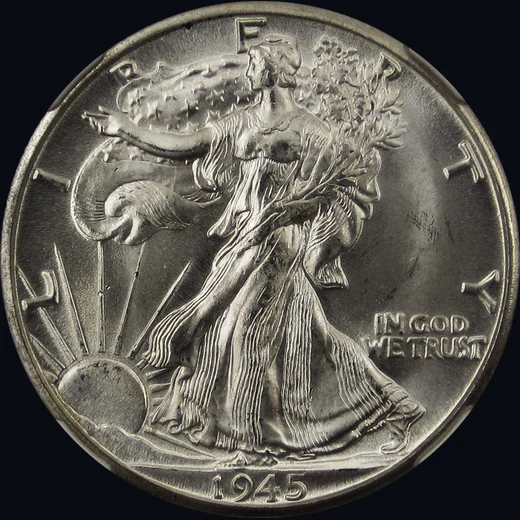
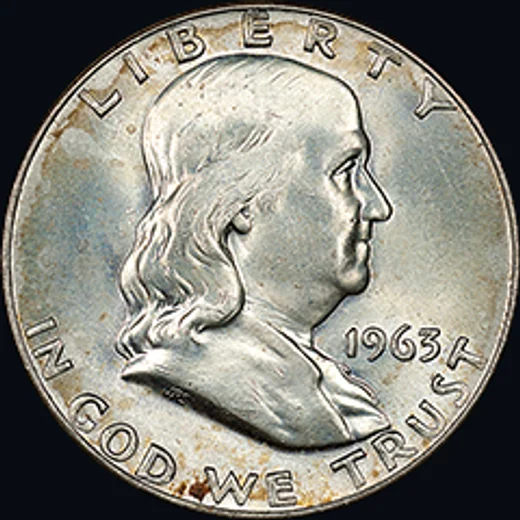
Keep the look-alikes straight
Browse all 34 coin guides →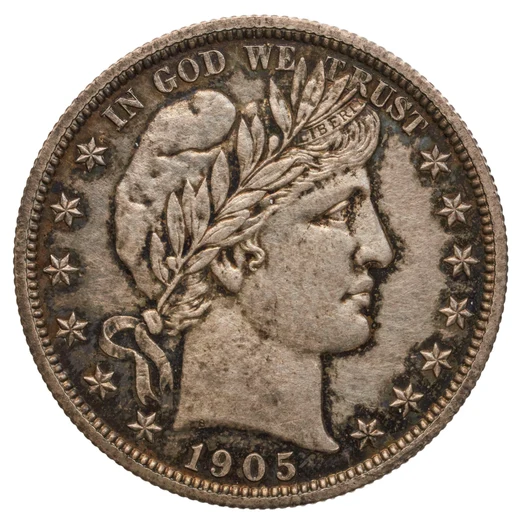
YOUR NEXT STEP
Have coins of your own?
Use what you have learned to describe your collection and request a private sale or consignment review.