
GOLD COIN FIELD GUIDE
American Gold Buffalo · 1 oz
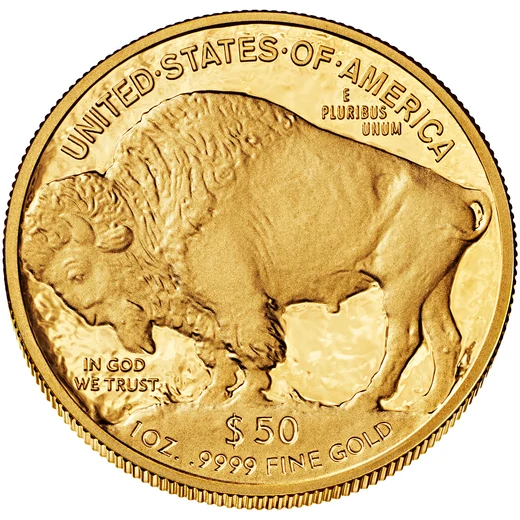
The $50 Gold Buffalo contains one fine ounce of 24-karat gold. This profile does not cover the smaller fractional Buffalo sizes issued in 2008.
The metal baseline
- Profile covers
- 2006–Date
- Composition
- 99.99% gold · 24 karat
- Standard gross weight
- 31.105 g
- Fine gold per coin
- 1 troy oz
- Face value
- $50.00
American Gold Buffalo · 1 oz
Read the transcript and credits
- A one-ounce Gold Buffalo and a one-ounce Gold Eagle each contain one fine ounce. Their purity and gross weights differ; this Buffalo profile is the fifty-dollar size.
- This profile contains one fine troy ounce of gold per coin.
- Two matching coins contain two fine troy ounces. Multiply that total by the current gold spot price.
- Purity is already included. The exact issue and condition still matter for collector value.
- Choose the exact coin at NumisTrends dot net.
Photographs resized and cropped for display; coin details are not retouched. United States Mint · Public domain. United States Mint · Public domain (PD-USGov-Treasury) · License.
Music: “I Found the Grade in the Lighting” by NumisTrends.
Different purity, the same one-ounce gold target
A one-ounce Gold Buffalo and a one-ounce Gold Eagle each contain one fine troy ounce of gold. Their purity and gross weights differ; their stated fine-gold content does not.
This profile is for the $50 one-ounce Buffalo only. Exclude the 2008 fractional sizes, and match the finish when comparing bullion and collector sales.
Where to look. Read $50 and 1 OZ. .9999 FINE GOLD. Check the W mintmark and finish; burnished, proof, and reverse proof are distinct products.
Dates and details worth a second look
This is a selected watch list, not every key date or variety in the series. Finding a matching date is a reason to inspect further—not proof of authenticity, grade, or a particular value.
What do these collector labels mean?
Issue distinction. A difference in issue, finish, or format that must be identified before comparison.
Proof issue. A distinct collector manufacturing method or proof variety, not a wear grade.
- Issue distinction
2008-W burnished $50
The one-ounce burnished uncirculated issue is different from no-mintmark bullion and the fractional 2008 products.
Check the attribution reference ↗ - Proof issue
2013-W reverse proof
A specific anniversary finish with frosted fields and mirrored devices, not a conventional proof.
Check the attribution reference ↗
Two questions, not one price
What is the contained metal worth? This profile uses 1 fine troy ounces of gold per coin. Multiply that by the number of matching coins and a current per-troy-ounce gold quote. The calculator shows the quote and its freshness when available.
What might a collector pay for this coin? That takes the exact issue, condition, surfaces, finish, and any authenticated variety. The checkpoints above explain why a collector sale may differ from the metal estimate. A calculated melt value is neither a guaranteed buying offer nor a complete appraisal.
The listed weights are standard reference specifications, with rounded published fine-metal values. They do not measure wear, damage, missing metal, or authenticity in your individual coin. Gross grams include the alloy; fine troy ounces describe the precious metal itself.
Calculate this coin’s metal value →Build a useful comparison
- Record the full date, mintmark, denomination, and finish. Photograph both sides and any diagnostic detail.
- Use the specific references above to check a suspected variety. Do not clean the coin to make a feature easier to see.
- Compare completed sales for the same issue and similar condition. Separate proof, special-strike, and attributed examples from ordinary coins.
- Record shipping and other costs separately. An asking price or one exceptional auction result is not a typical sold price.
References and further checking
Use these references to inspect the issue and attribution in more detail. Prices, populations, and market premiums can change.
- U.S. Mint bullion specifications ↗
- 2008-W burnished $50 — reference ↗
- 2013-W reverse proof — reference ↗
- NGC gold melt-value reference ↗
Educational reference only; not individualized appraisal or investment advice. For a potentially valuable or questionable example, use a qualified numismatist or established authentication service.
Keep the look-alikes straight
Browse all 34 coin guides →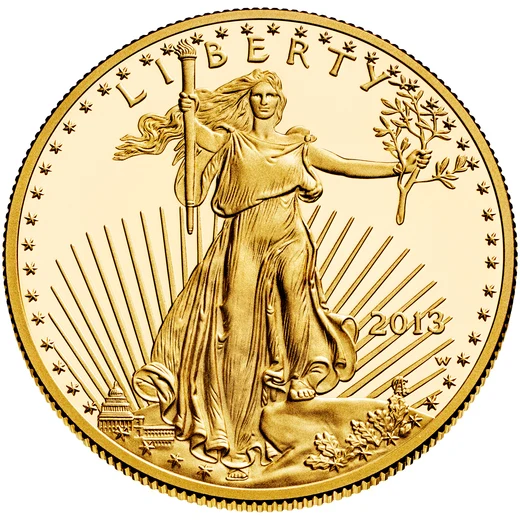
YOUR NEXT STEP
Have coins of your own?
Use what you have learned to describe your collection and request a private sale or consignment review.