
SILVER COIN FIELD GUIDE
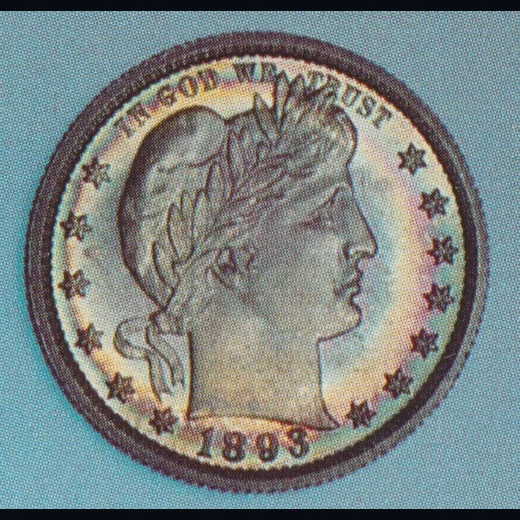
Barber Quarter
The three San Francisco keys deserve a careful look before treating a Barber quarter as ordinary silver.
The metal baseline
- Profile covers
- 1892–1916
- Composition
- 90% silver
- Standard gross weight
- 6.25 g
- Fine silver per coin
- 0.1808 troy oz
- Face value
- $0.25
Barber Quarter
Read the transcript and credits
- A close-up of Liberty can fool you. Barber dimes, quarters, and halves share a portrait style, so read the denomination first.
- This profile contains zero point one eight zero eight fine troy ounce of silver per coin.
- Five matching coins contain zero point nine zero four fine troy ounces. Multiply that total by the current silver spot price.
- Purity is already included. The exact issue and condition still matter for collector value.
- Choose the exact coin at NumisTrends dot net.
Photographs resized and cropped for display; coin details are not retouched. United States Mint; photograph released to the public domain · Public domain · License.
Music: “I Found the Grade in the Lighting” by NumisTrends.
The denomination and mintmark work together
Barber dimes, quarters, and halves share a related Liberty portrait. Read the denomination rather than identifying the coin from a cropped portrait alone.
For the important S-mint quarter dates, record both the year and the S. A coin from a different mint in the same year is a separate issue, not a lower-priced example of the same key date.
Where to look. The mintmark sits below the eagle’s tail, above QUARTER DOLLAR. Read the complete date and mintmark together.
Dates and details worth a second look
This is a selected watch list, not every key date or variety in the series. Finding a matching date is a reason to inspect further—not proof of authenticity, grade, or a particular value.
What do these collector labels mean?
Key date. An important scarce issue in this series; grade and authenticity still matter.
- Key date
1896-S
One of the three principal Barber quarter keys.
Check the attribution reference ↗ - Key date
1901-S
A major key; authentication and surface condition deserve particular attention.
Check the attribution reference ↗ - Key date
1913-S
The third key in the San Francisco trio.
Check the attribution reference ↗
Two questions, not one price
What is the contained metal worth? This profile uses 0.1808 fine troy ounces of silver per coin. Multiply that by the number of matching coins and a current per-troy-ounce silver quote. The calculator shows the quote and its freshness when available.
What might a collector pay for this coin? That takes the exact issue, condition, surfaces, finish, and any authenticated variety. The checkpoints above explain why a collector sale may differ from the metal estimate. A calculated melt value is neither a guaranteed buying offer nor a complete appraisal.
The listed weights are standard reference specifications, with rounded published fine-metal values. They do not measure wear, damage, missing metal, or authenticity in your individual coin. Gross grams include the alloy; fine troy ounces describe the precious metal itself.
Calculate this coin’s metal value →Build a useful comparison
- Record the full date, mintmark, denomination, and finish. Photograph both sides and any diagnostic detail.
- Use the specific references above to check a suspected variety. Do not clean the coin to make a feature easier to see.
- Compare completed sales for the same issue and similar condition. Separate proof, special-strike, and attributed examples from ordinary coins.
- Record shipping and other costs separately. An asking price or one exceptional auction result is not a typical sold price.
References and further checking
Use these references to inspect the issue and attribution in more detail. Prices, populations, and market premiums can change.
Educational reference only; not individualized appraisal or investment advice. For a potentially valuable or questionable example, use a qualified numismatist or established authentication service.
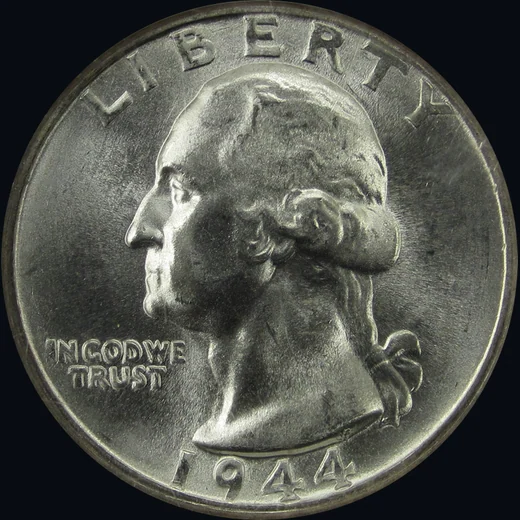
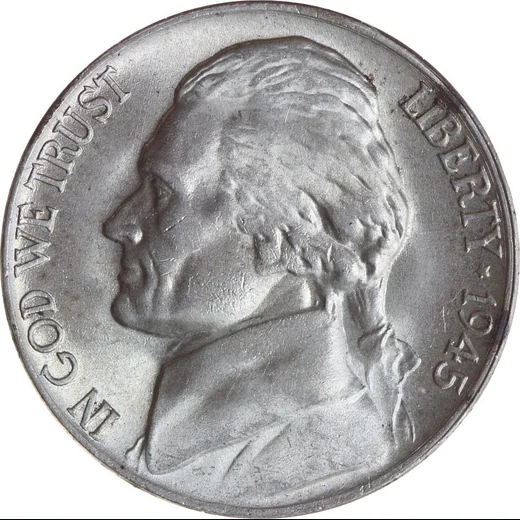
Keep the look-alikes straight
Browse all 34 coin guides →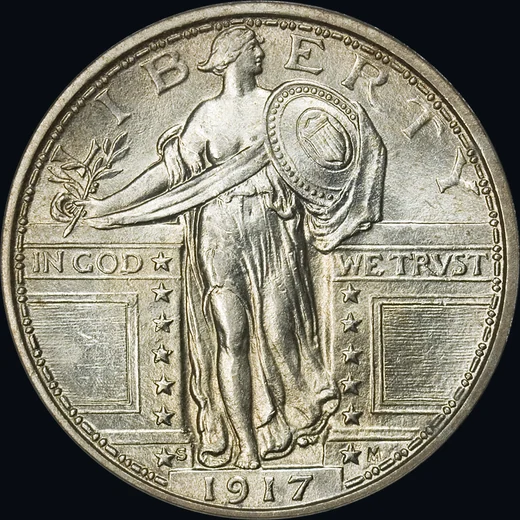
YOUR NEXT STEP
Have coins of your own?
Use what you have learned to describe your collection and request a private sale or consignment review.